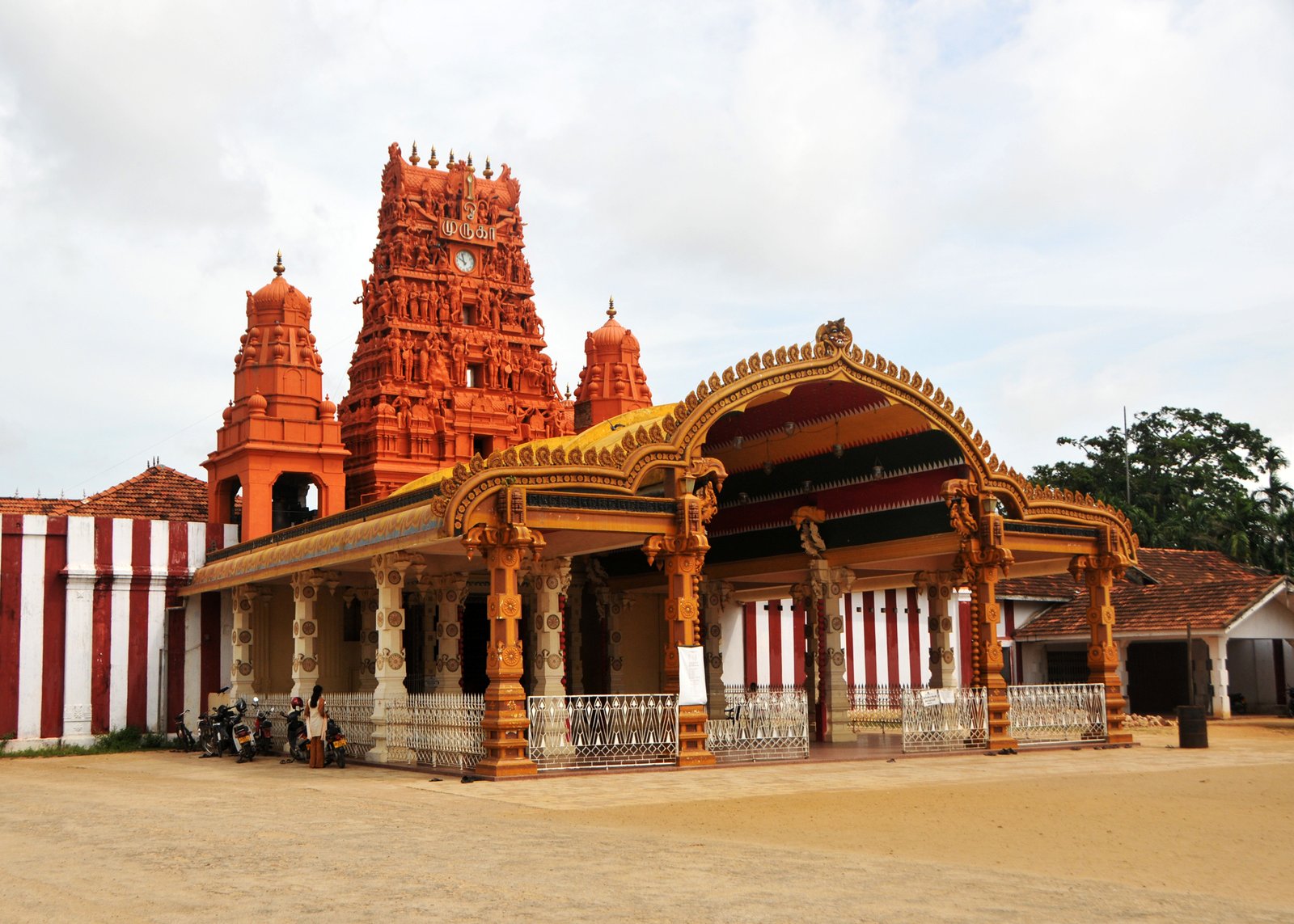
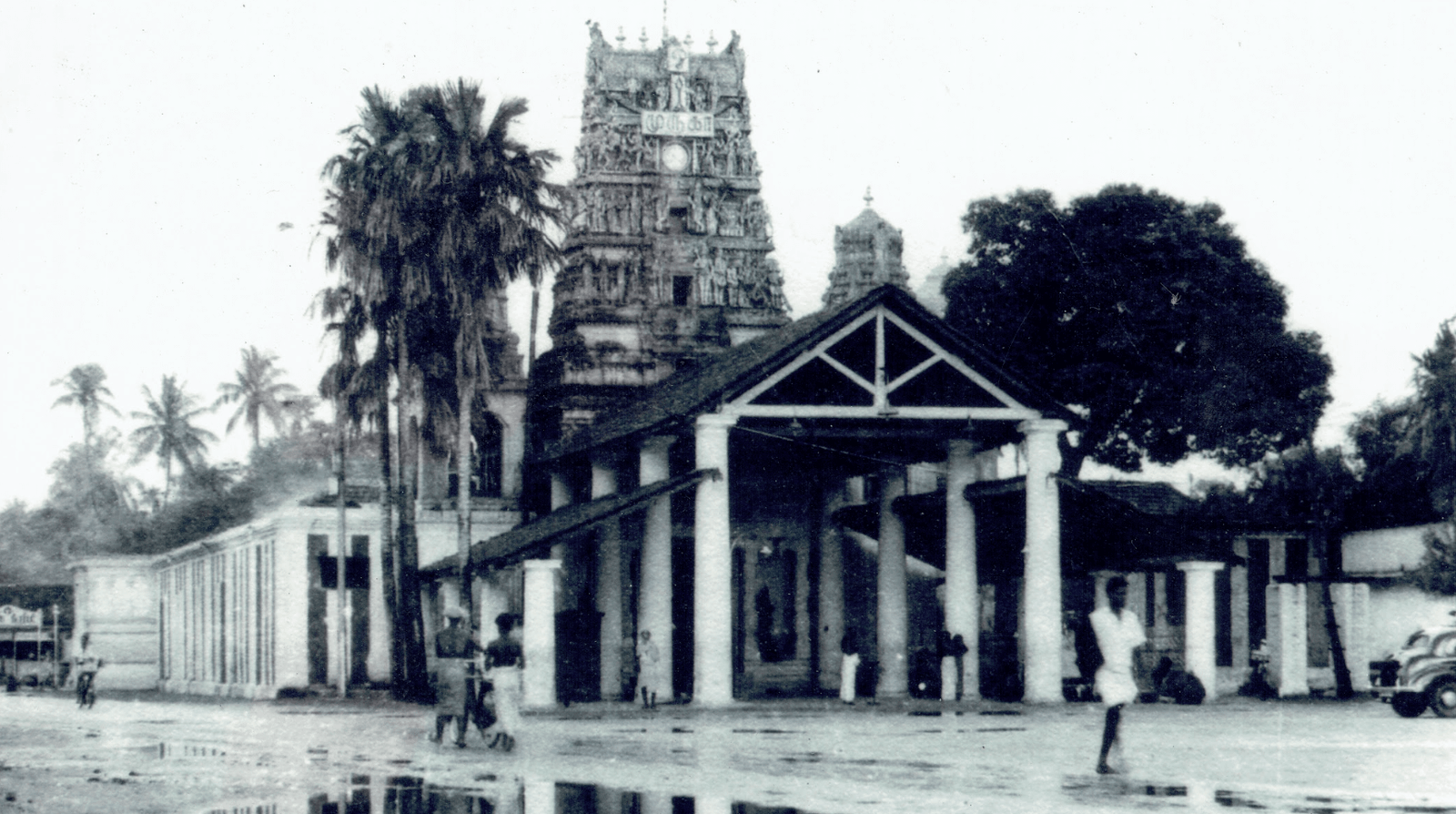
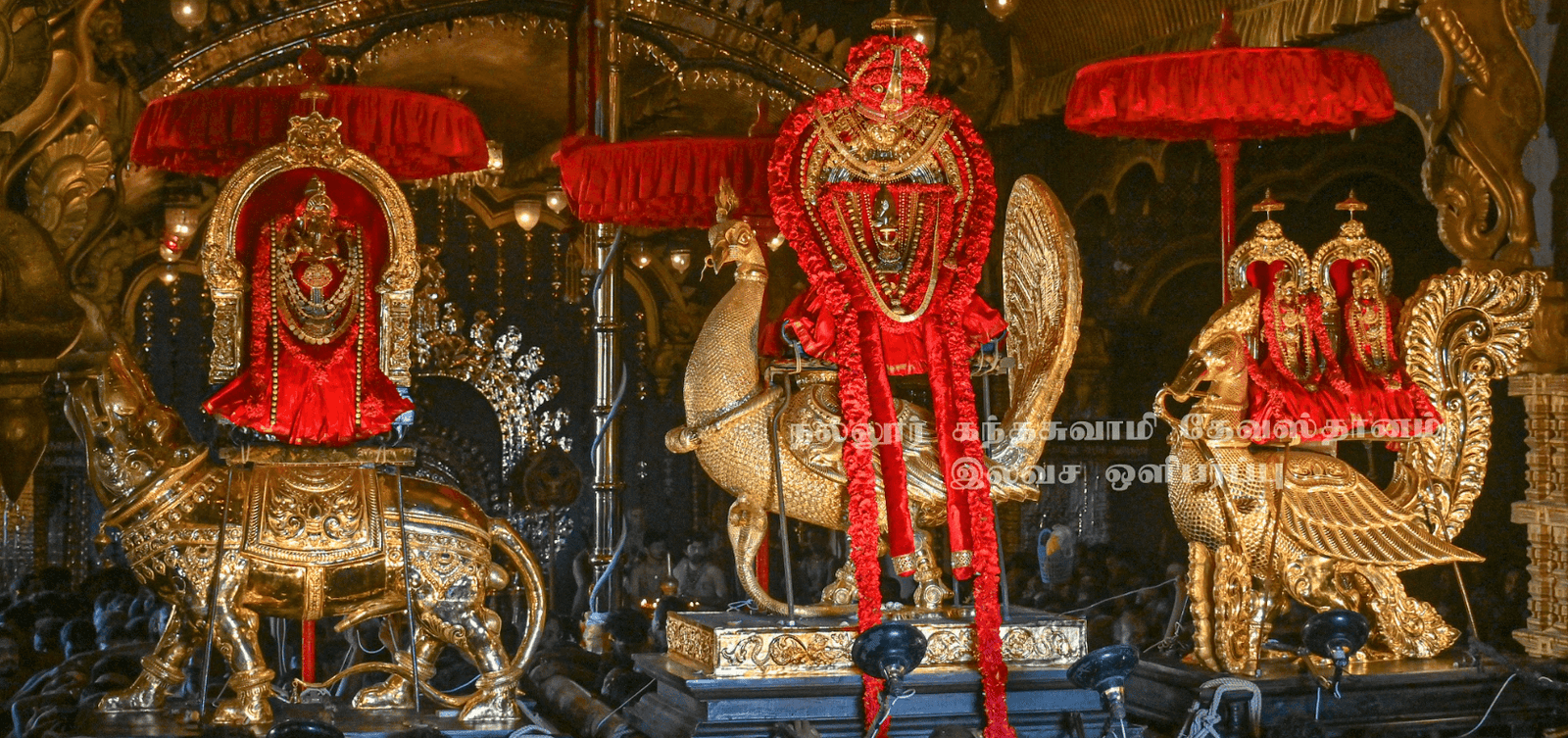
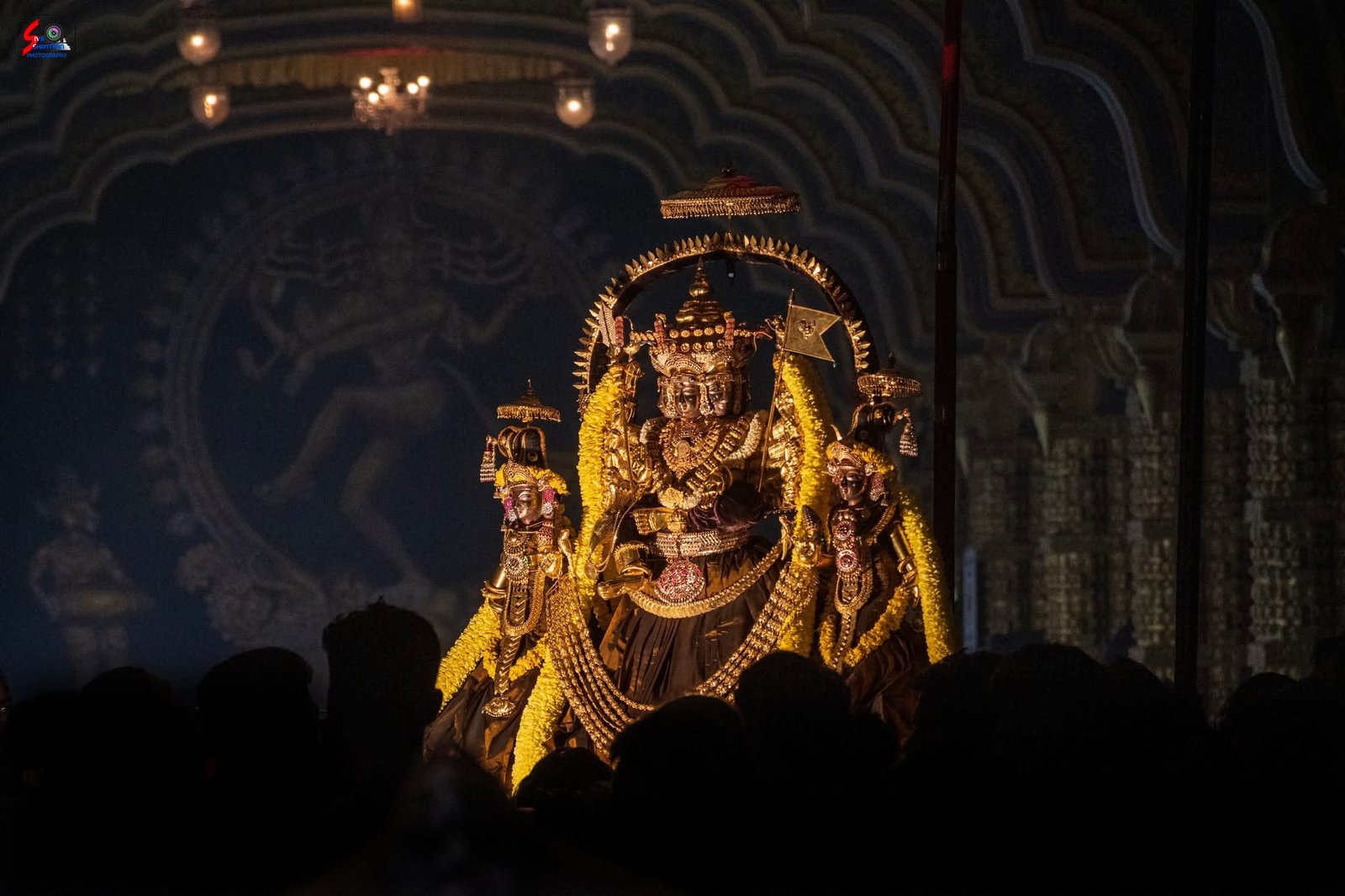
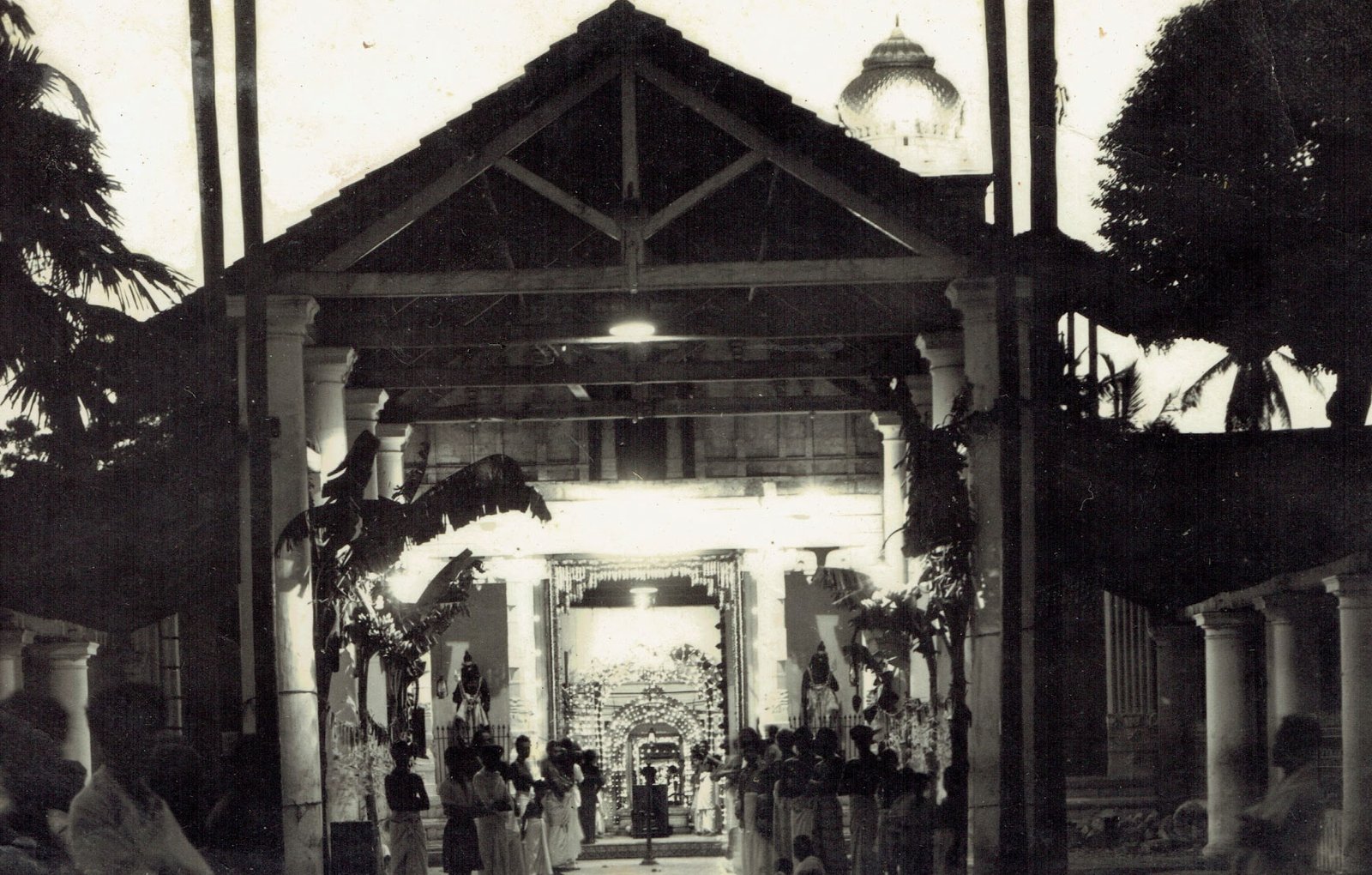
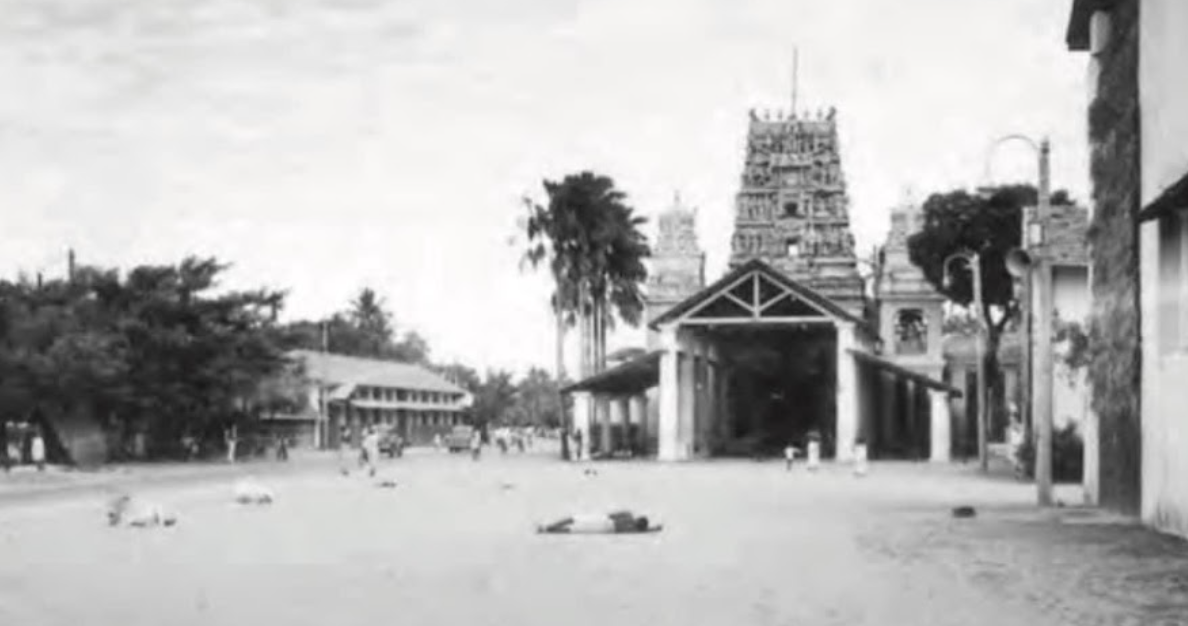

The Nallur Kandaswamy Temple in Jaffna, a significant center for Tamil Saiva tradition, was instituted in 1734 by Raghunatha Mappana Mudaliar I, who consecrated a Vel at what is now known as Nallai Atheenam. The Vel, consecrated by Raghunatha Mappana Mudaliar I on that day, remains enshrined in the temple’s moolasthana as the revered Nallur Kandaswamy. The temple has been officially registered under the name of Kandaswamy as Ambalavanar Subramanian and all movable and immovable properties associated with the temple have been held in Kandaswamy’s name. The trusteeship of the temple has remained with the heirs of the Mappanar lineage.
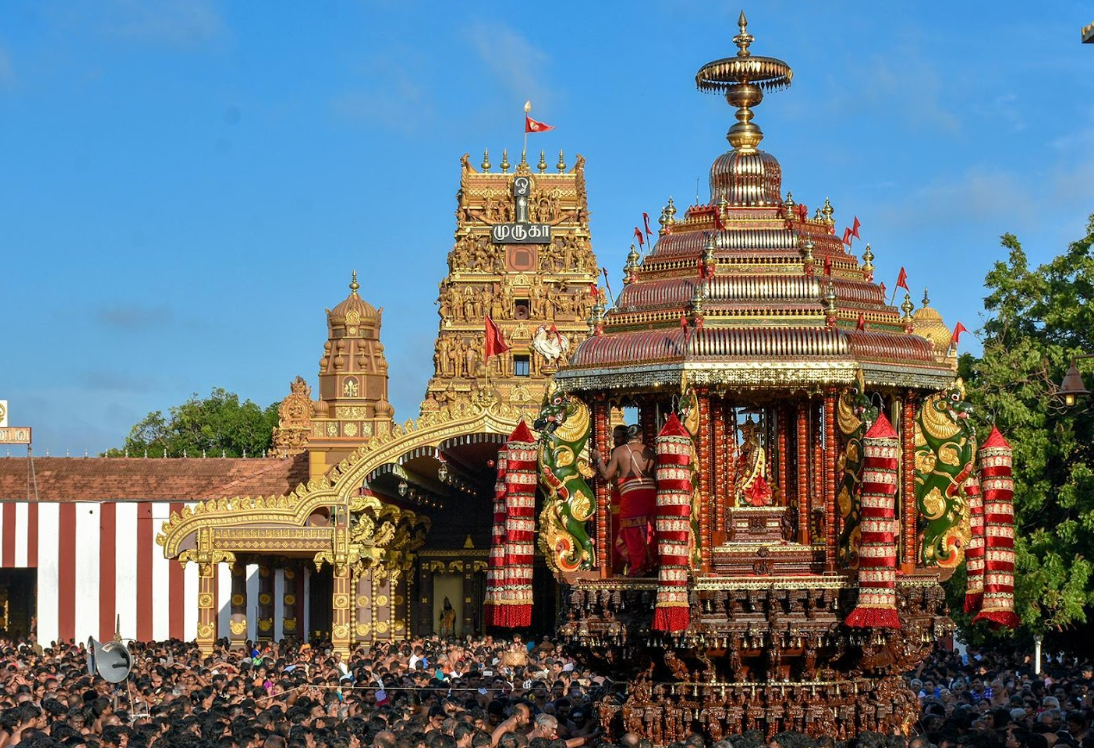
The annual Makotsavam begins with the hoisting of the flag on the sixth day after Aadi Amavasai, known as Shashti Tithi, and is celebrated with devotion over the course of twenty-five days
Similarly, every year, Kandha Sashti is observed with devotion, during which the Sooran Porr (battle with the demon Sooran) festival takes place on the sixth day, followed by the Thirukkalyanam (divine wedding) the next day.
In addition, the temple celebrates other renowned festivals, including the Thirukarthigai festival, Vaikasi Visakam Mahabhishekam for Shanmugar, Sahasra Sangabhishekam, Thandikai festival, Navaratri Kumbhabhishekam and Manampoo festival, Thiruvathirai, and Thaipoosam Manja festival.
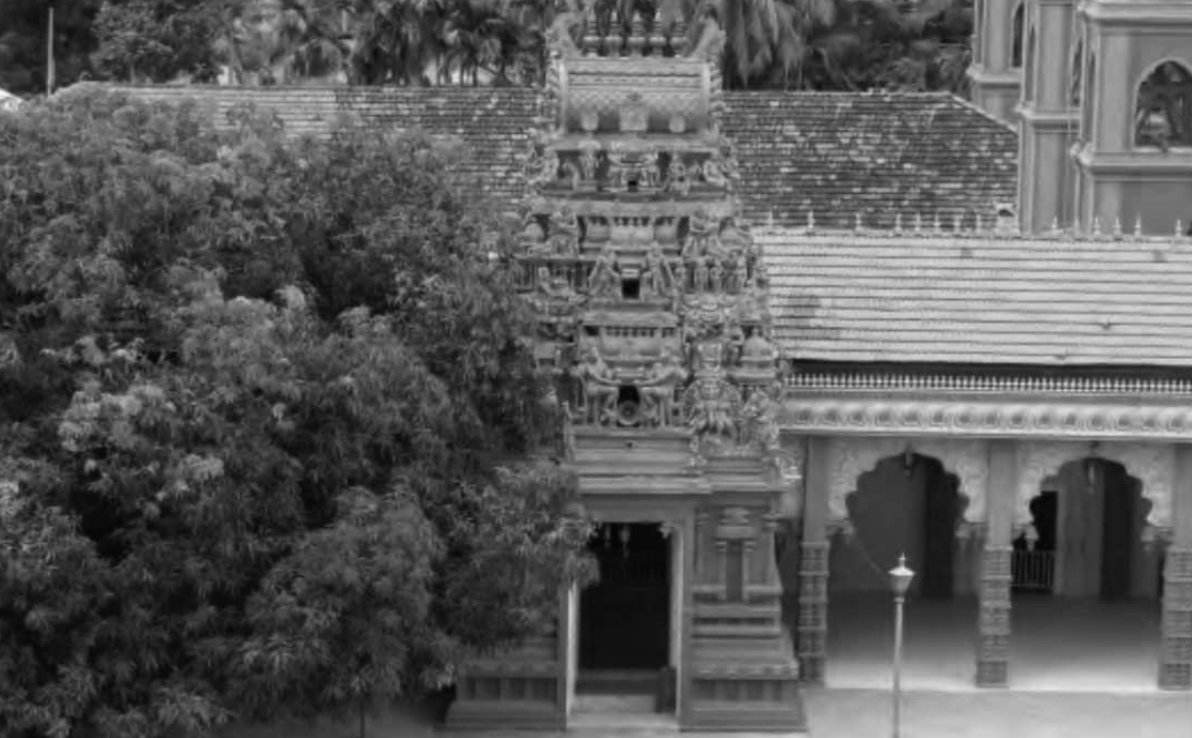
During the reign of Arumukha Mappanar II, the temple underwent several significant developments. Internal sheds were constructed, and the bell tower, known as Manikkoottu Kopuram, was built.
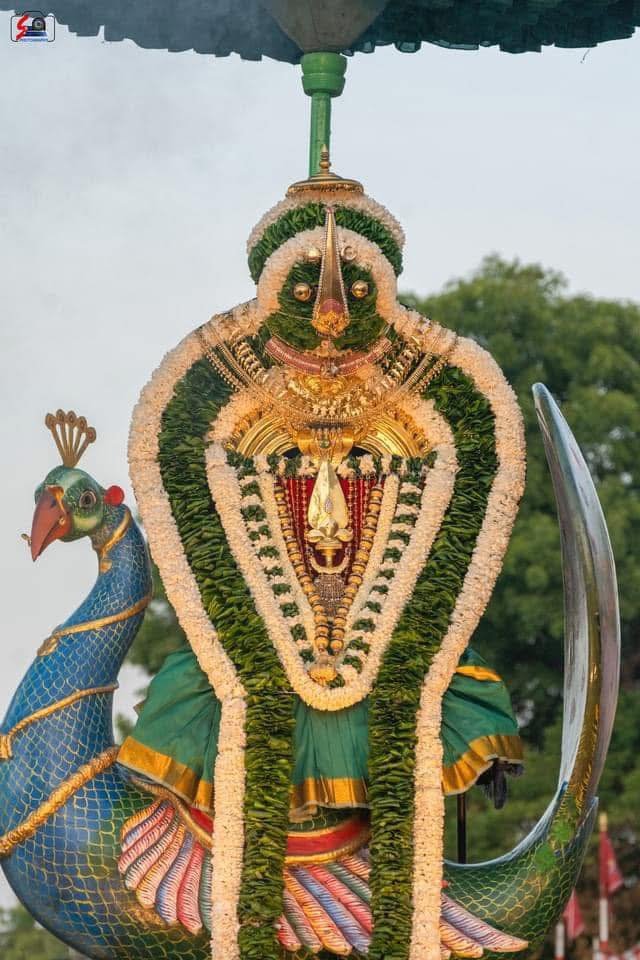
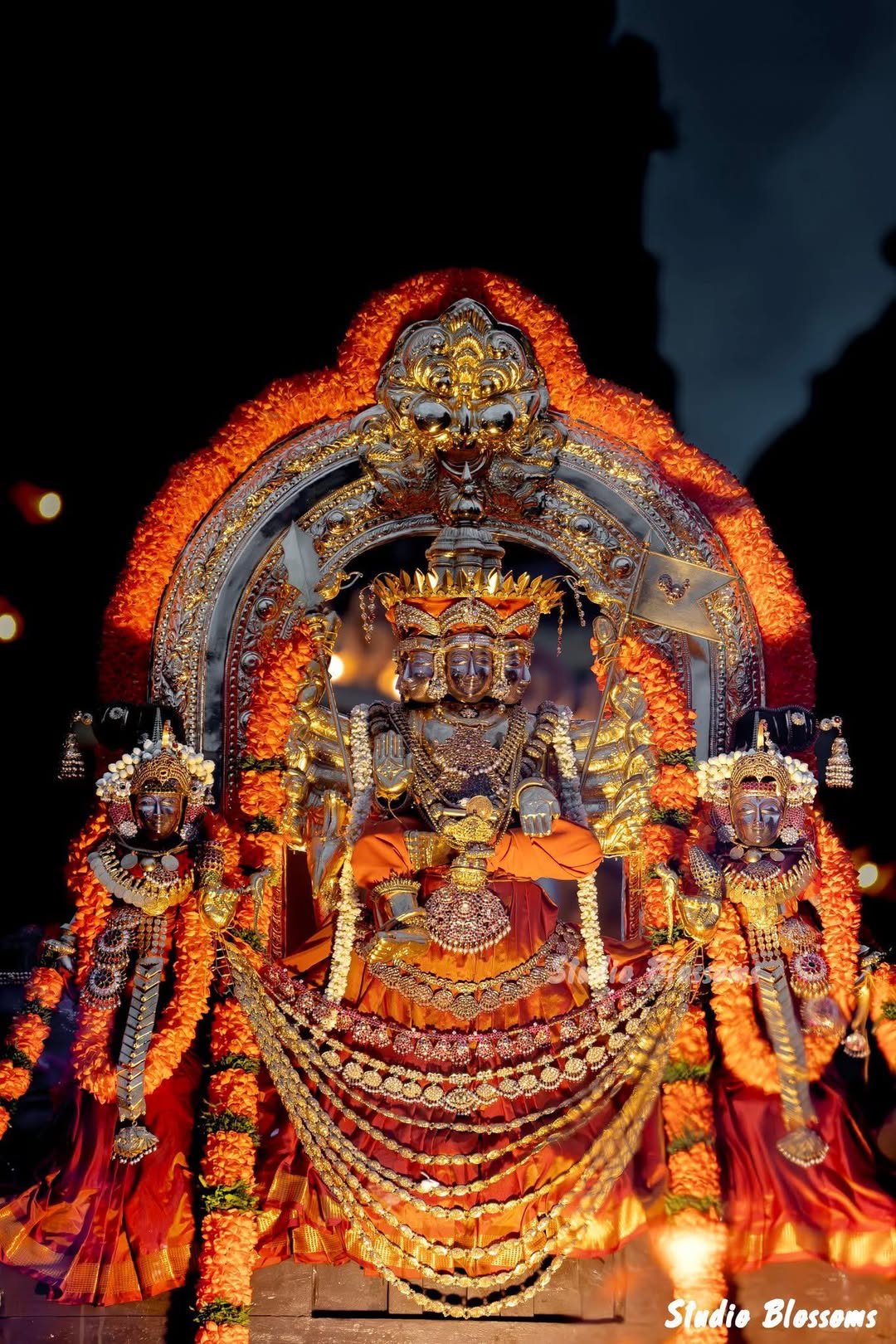
Additionally, Lord Shanmukha was sculpted. For the first time during this period, Lord Shanmuga was blessed during the chariot festival. The silver throne for Shanmug, which remains widely revered, was also established during this era.
Under the stewardship of the fourth Raghunatha Mappanar, the Archanai Cheetu (receipt) system and the punctual puja system gained importance. The Archanai Cheetu, which remains at one rupee, is unique compared to other places. The temple continues to serve as an example of effective time management.
During the time of the fourth Rajanatha Mappanar, a shrine was established for Muthukumaraswamy and Palani Andavar, along with the construction of a Vasantha Mandapa Manikootu Kopuram.
During the reign of Raghunatha Mappanar IV, the construction of the main Raja and Shanmukha Gopurams began. The work was completed during the reign of Shanmugadasa Mappana Mudaliar.
A shed was constructed for Shanmukha Pushkarani Theertham. Vallikanthar Murthy was established for the palliyara puja. Additionally, the vimana was built for the palliyara puja.
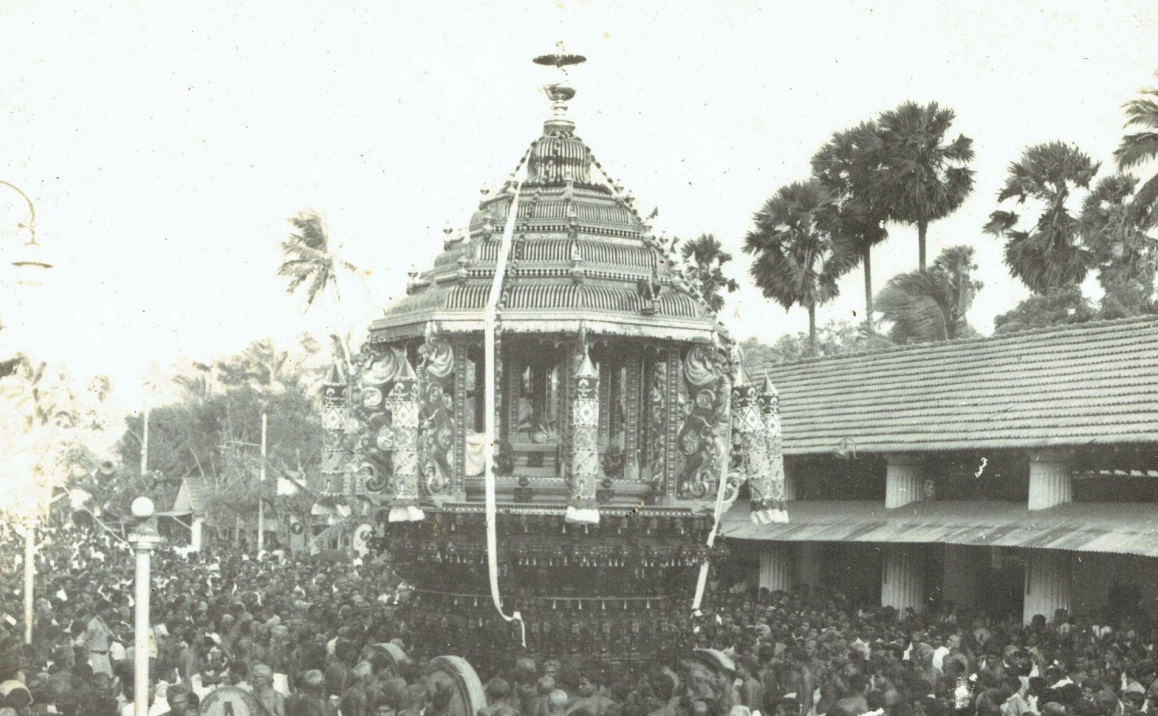
During this period, a new chariot was constructed. Lord Shanmukha ascended the new chariot for the first time.